
Few home components are more misunderstood than attic ventilation. Ventilation keeps the bottom of the roof deck cool throughout the year. Roof and soffit vents reduce cooling costs in summer, prevent heat from rising to the roof deck and creating ice dams in the winter, extend shingle life, and reduce moisture buildup that causes mold and mildew. Experienced roofers in New Jersey will check attic ventilation during every roofing project.
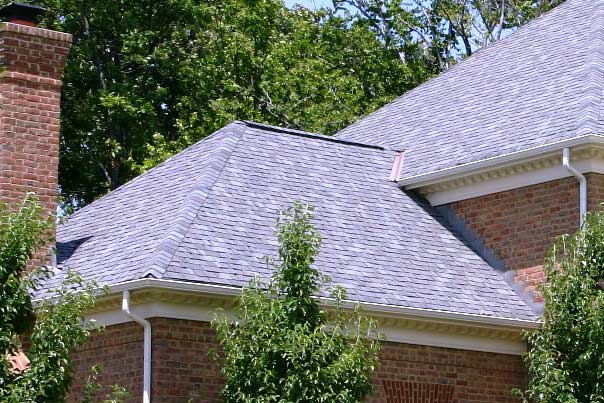
There are several types of roof vents to consider when you’re ready to address an attic ventilation issue. Here are the most common:
• Ridge vents. This vent style is commonly found on new construction and reroofing projects. Ridge vents are installed along the length of a roof ridge, and offer a pleasing appearance because they can be covered with matching shingles.
• Static vents. Also known as roof line or eyebrow vents, static vents are installed in rows along the face of a roof. Their effectiveness depends on how many are installed.
• Turbine vents. This is a type of static vent that operates in conjunction with the wind. Wind catches on the turbine’s fins, causing it to spin and draw heated air outside. The more wind, the better the result.
• Soffit vents. Soffit vents are positioned under the eaves of a house. They typically are made from an aluminum panel with louvers punched into the face to permit air flow, and a screen to keep insects out.
• Power vents. This style relies on a motor to pull hot air out of the attic, controlled by a thermostat mounted inside the attic. There are also solar-powered models to conserve electricity and satisfy green building requirements.
Not all vent types will work on all homes, so the advice of a professional roofing contractor is critical to make the best decision. If you believe your attic is excessively hot, or if you have noticed condensation in your attic, call Up and Above Contractors at (973) 300-0636 to schedule a FREE consultation and estimate. In many cases, adjustments to a poor roof ventilation system can extend the life of a roof by 10 years or more!